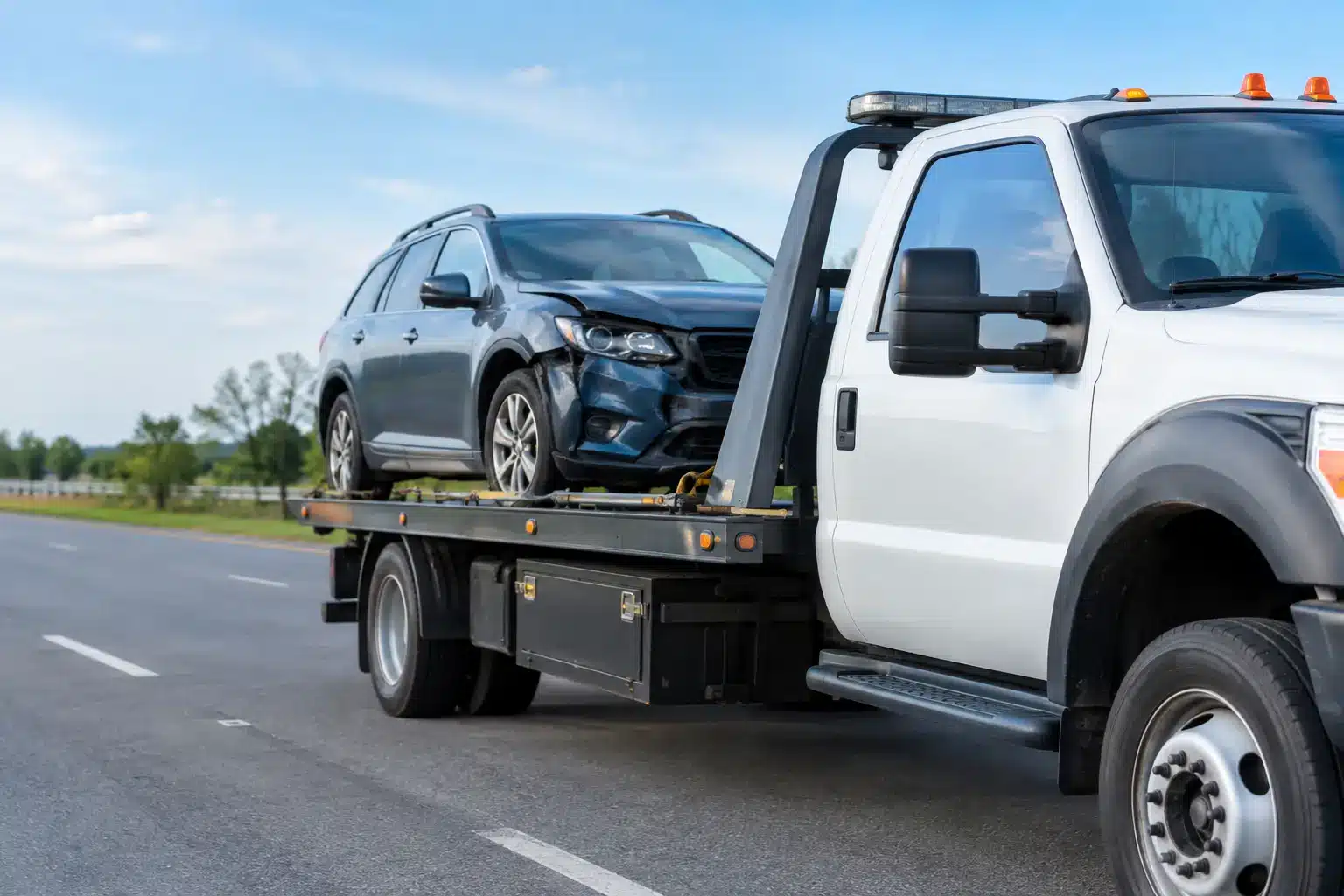
A car that will not start can feel like it is going nowhere - especially when it is blocking a driveway, sitting at the roadside or due at a garage. Can towing move non-runners? Yes. A professional recovery operator can transport most non-running cars and vans, but the right method depends on where the vehicle is, whether its wheels can turn and whether it can be safely loaded.
At K & D Transport, the priority is to get the vehicle recovered without adding damage or making a stressful breakdown harder. A non-runner does not need to be driven to be moved. It does, however, need the right equipment, a clear assessment and a recovery team prepared for the condition of the vehicle.
In most cases, yes. A non-runner can be recovered on a flatbed or recovery lorry, where it is secured and transported with all wheels off the road. This is usually the safest option for a vehicle with an engine fault, electrical issue, flat battery, accident damage or an unknown mechanical problem.
The vehicle does not have to start for recovery to take place. Recovery operators use loading equipment such as winches, skates and dollies where needed to bring a vehicle onto the lorry safely. This is particularly useful when a car will not select neutral, the wheels are locked, or it cannot be rolled in the normal way.
A simple tow with two wheels on the road is not always suitable for a non-runner. Modern cars can have automatic gearboxes, electronic parking brakes, low ground clearance and drivetrain systems that should not be pulled while the engine is off. A flatbed recovery avoids many of those risks.
No two recoveries are exactly the same. Before dispatching the right vehicle, a recovery provider needs to know enough about the car or van and its location to plan a safe collection.
The first issue is whether the vehicle rolls. If it can be put into neutral, the steering can be unlocked and the wheels turn freely, loading is normally more straightforward. If the handbrake is stuck on, a wheel has seized, the steering is locked or the car is in park, it can still often be recovered, but extra equipment may be needed.
The vehicle's condition also matters. A car with a flat battery and no other faults may need a jumpstart rather than a tow. If it starts after a battery check, you may be able to continue your journey. If it will not start, or you do not want to risk driving it, it can be transported to a garage, home address or another suitable destination.
Accident damage requires particular care. Damaged wheels, broken suspension, leaking fluids or bodywork hanging loose can change how the vehicle is lifted and secured. Tell the recovery operator if the car has been involved in a collision, even if the damage looks minor. It helps them arrive with the right kit and avoids delays at the roadside.
Manual cars are often easier to position when the clutch and gearbox are working, but they should still be loaded properly rather than dragged. An automatic car may need a flatbed if it cannot be placed in neutral or if the manufacturer advises against towing it with driven wheels on the ground.
Electric and hybrid vehicles need the same careful approach. They can be recovered when non-running, but their high-voltage systems, electronic parking brakes and manufacturer procedures must be considered. If the vehicle has been damaged, overheated or has warning messages relating to the battery, say so when you call.
Four-wheel-drive vehicles also need suitable transport. Pulling them with only one axle raised can cause expensive drivetrain damage on some models. Full vehicle transport on a recovery bed is commonly the sensible choice.
For most non-runners, a flatbed is the practical answer. It keeps the vehicle off the road, limits wear on tyres and transmission components, and makes it easier to move a car with faults that prevent normal towing.
Flatbed transport is especially suitable when the vehicle has an automatic gearbox, locked wheels, a failed clutch, accident damage, a suspected engine problem or a very low front bumper. It is also a good choice for vehicles being moved long distance, bought as a project, collected from an auction, or transported to a specialist repairer.
There is a trade-off: access can affect the type of recovery vehicle that can reach you. A narrow residential road, underground car park, multi-storey car park or muddy field may need a different approach from a vehicle stranded on a clear main road. Good recovery starts with an honest description of the location.
A fast dispatch depends on getting the key details early. Explain that the vehicle does not start and describe the fault if you know it. Let the operator know whether it is a car or van, the make and model, where it is located and where it needs to go.
Also mention whether the keys are available, whether the steering wheel moves, if the vehicle is in neutral, and whether any wheels are damaged or locked. If it is parked in a space with limited room in front, behind or above it, describe that too. A clear photo can sometimes help when arranging collection, particularly after an accident or from a tight location.
You do not need a technical diagnosis. A straightforward description such as “the engine turns but will not start”, “the battery is completely dead”, “the rear wheel is damaged” or “the car is stuck in park” gives the recovery team a useful starting point.
If you are on the roadside, move yourself and any passengers to a safe place away from traffic where possible. Switch on your hazard lights if it is safe to do so, and use your warning triangle only where appropriate and safe. On a motorway or high-speed road, follow the relevant emergency guidance and do not attempt repairs beside live traffic.
Do not keep trying to start the vehicle if there is smoke, a burning smell, an oil warning light, a coolant leak or unusual noises. Repeated attempts can turn a manageable fault into a larger repair bill. If the car is in a dangerous position, make this clear when requesting assistance.
Before the recovery vehicle arrives, remove valuables and make sure you have the keys, driving licence and any details the garage may need. If the vehicle is being taken to a repairer outside normal hours, check that the destination can accept it or that there is an agreed safe drop-off point.
Usually, a non-running vehicle can be transported to a local garage, dealership, bodyshop, home address, storage site or another agreed location. The best destination depends on what you need next.
If the fault is unknown, a trusted garage can diagnose it. If the vehicle is not worth repairing, transport to home or a collection point may be more suitable. For a van that is off the road, getting it to the right repairer quickly can matter even more, as every missed working day affects the business using it.
Give the full collection and delivery postcode when you make contact. This allows the recovery provider to assess the journey, access and vehicle required, rather than giving you an answer that changes once they arrive.
A non-runner does not have to leave you stranded. Whether the issue is a dead battery, mechanical failure, accident damage or a vehicle that has simply been standing too long, professional recovery can get it moved safely without forcing it to drive.
If your car or van will not start in Camberley, across the GU area or further afield, give the recovery team an accurate picture of the vehicle and location. The right recovery vehicle can then be sent without delay, so your non-runner is on its way to the place it needs to be.

