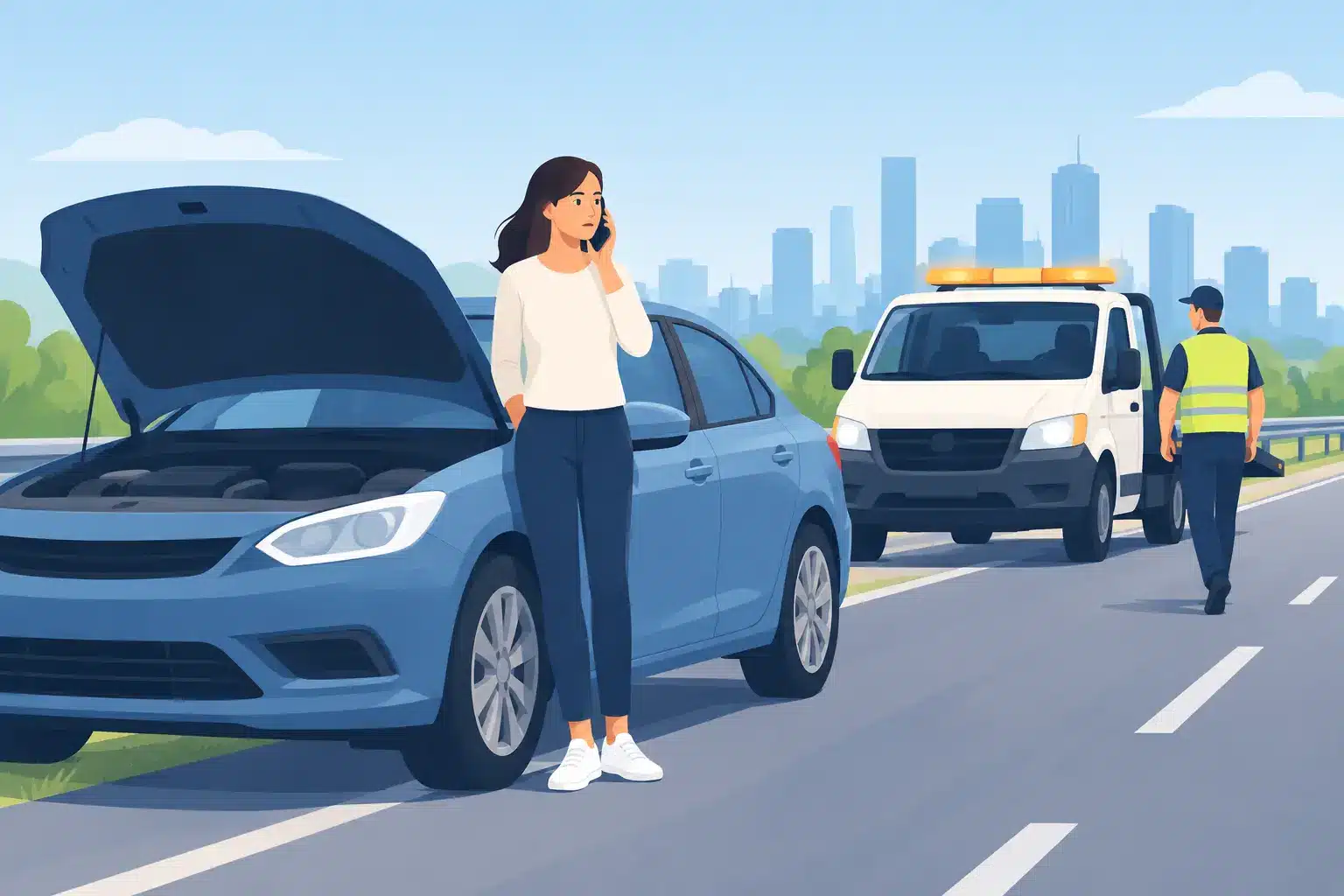
A breakdown on the way to work is more than an inconvenience. It can leave you stopped on a busy road, late for a shift, unable to collect children, or stranded far from home. Urgent roadside help for commuters is about getting a trained team moving quickly, making the situation safe, and giving you a clear next step when your car or van will not go any further.
For drivers in Camberley and nearby GU postcode areas, the priority is simple: practical help, 24 hours a day. Whether the problem is a flat battery, a mechanical fault, a warning light, tyre damage or a collision, professional roadside assistance takes the pressure off when you need it most.
Commuters often travel at the busiest times of day. A vehicle that stops on a roundabout approach, dual carriageway, station car park or narrow residential road can quickly create a difficult situation. You may be trying to manage traffic around you while contacting work, arranging collection plans and working out whether the vehicle can be driven.
This is not the time to guess at a repair or hope the engine restarts. The right response depends on where you are, what has happened and whether the vehicle is safe to move. A dead battery may be resolved with a jump start. A serious fault, damaged wheel or overheating engine may need recovery instead. Getting that call right can prevent further damage and keep you out of danger.
K & D Transport provides 24/7 emergency roadside assistance for cars and vans, with recovery and transport available when a roadside fix is not the safe option. The focus is on prompt dispatch, clear communication and getting you and your vehicle out of a stressful situation.
Your first job is to protect yourself and other road users. If you can do so safely, move the vehicle away from moving traffic. Put on your hazard lights, switch off the engine and leave the vehicle only when it is safe. On a motorway or high-speed road, follow the relevant emergency guidance and use a safe location where possible.
When calling for assistance, have the vehicle registration, your exact location and a short description of the fault ready. A nearby landmark, road name, junction number, postcode or live location can help the recovery team find you without delay. Say whether you are in a safe place, whether the vehicle is blocking traffic and whether there are passengers with you.
Do not keep attempting to start a vehicle that is smoking, overheating, leaking fluid or displaying a serious warning message. Repeated attempts can turn a manageable fault into a larger repair. A trained recovery operator can assess whether a restart is sensible or whether the vehicle should be loaded and transported.
The right service is not always a standard tow. A small car with a discharged battery needs a different response from a loaded van with a clutch failure. Providing accurate details helps ensure the right equipment, recovery vehicle and technician are allocated from the start.
It also helps to mention access restrictions. Underground car parks, height barriers, tight cul-de-sacs and busy town-centre locations can affect how recovery is carried out. Good planning saves time when every minute matters.
A flat battery is one of the most common reasons a driver cannot leave for work. Cold mornings, short journeys, interior lights left on and an ageing battery can all leave a vehicle unable to start. A professional jump start can get the engine running, but it is still worth considering why the battery failed. If it repeatedly goes flat, the battery or charging system may need checking before the next commute.
Breakdown recovery is the right choice when the fault cannot be fixed safely at the roadside. This may include engine trouble, gearbox issues, clutch faults, overheating, electrical problems or a vehicle that has lost power. Recovery protects the vehicle from being driven in a compromised condition and allows transport to a garage, home address or another agreed destination.
Car towing and transportation are also useful when a vehicle does not need emergency mechanical work but cannot be driven. Perhaps it has failed an MOT, has no valid road tax or insurance for the journey, or needs moving to a repairer. A dedicated transport service gives owners a safer alternative to asking a friend to tow it with a rope.
Van towing matters just as much for drivers who rely on their vehicle for work. A broken-down van can mean missed jobs, delayed deliveries and tools left by the roadside. Recovery support for vans requires suitable equipment and a team prepared to handle a vehicle that may be larger, heavier or carrying business equipment.
A jump start is often the quickest solution when the battery is simply low and the rest of the vehicle is operating normally. Once started, the vehicle may be able to continue its journey or reach a garage for a battery check. But a jump start is not a cure for every no-start problem.
If the battery warning light remains on after starting, there may be an alternator or charging fault. If the engine turns over slowly again after a short stop, the battery may no longer hold charge. If there is a burning smell, damaged cables or visible battery swelling, do not attempt another start. Recovery is the safer route.
The same applies to warning lights. Some alerts can wait for a scheduled garage visit, while others require the vehicle to stop immediately. Temperature warnings, loss of oil pressure, heavy smoke and unusual noises should never be ignored just because you are close to work or home. A short journey can cause expensive engine damage.
When you are already late, it is tempting to choose the quickest-looking fix. Yet the best option is not always to get the vehicle moving again. It depends on the fault, the road conditions and where you need the vehicle to go next.
If a roadside repair is safe and practical, that may be the fastest way to continue your day. If it is not, recovery avoids the risk of another stop a few miles later. A properly secured tow or vehicle transport also protects other road users and reduces the chance of further damage caused by driving with a serious fault.
For longer-distance transport, confirm the intended destination before recovery begins. You may want the vehicle taken to your usual garage, a specialist repairer, your home or a workplace. If you are carrying tools, work materials or personal belongings, ask about keeping them secure while the vehicle is recovered.
Vehicle problems do not follow business hours. A battery can fail before an early shift. A puncture can happen after a late train. A van can stop on the way back from a job when most garages are closed. Around-the-clock roadside support means you are not left waiting until the next morning just to move a stranded vehicle.
Response times can vary with distance, weather, traffic and demand, especially during severe conditions. What matters is having a recovery provider that can assess the job quickly, dispatch the appropriate assistance and keep you informed. Clear expectations are far more useful than vague promises when you are waiting at the roadside.
You cannot prevent every fault, but a few sensible checks reduce the chance of being caught out on a commute. Keep your phone charged, carry a warning triangle only where it is appropriate and safe to use, and make sure you know your regular routes and alternative safe stopping places. Checking tyre condition, fluid levels and battery performance before winter is also worthwhile.
Most of all, do not wait until a problem becomes unsafe. If your vehicle is struggling to start, losing power, overheating or making a new noise, arrange an inspection early. And if it stops when you are on the road, focus on getting yourself safe first. Professional help can deal with the vehicle - you should not have to deal with the risk alone.

