A vehicle problem can turn from inconvenient to unsafe in minutes. Knowing when to request recovery means you can stop guessing, protect yourself and your passengers, and get the right help moving without taking unnecessary risks at the roadside.
A warning light, loss of power or flat battery does not always mean your journey is over. But if the vehicle cannot be driven safely, is blocking the road, or leaves you exposed at the roadside, recovery is the sensible next step. K & D Transport provides 24/7 roadside assistance, towing and vehicle transport for drivers in Camberley, surrounding GU postcode areas and further across the UK.
The decision usually comes down to one question: can the vehicle be moved safely and legally without causing more damage? If the answer is no, request professional recovery. Continuing a journey with a serious fault can make a repair more expensive and, more importantly, put people at risk.
Loss of power is a common example. If your car or van suddenly struggles to accelerate, cuts out repeatedly, overheats, or displays a serious engine warning, pulling over safely is the right move. Do not try to nurse it home through heavy traffic or along fast roads. A recovery vehicle can take your car to a garage, your home, or another agreed destination.
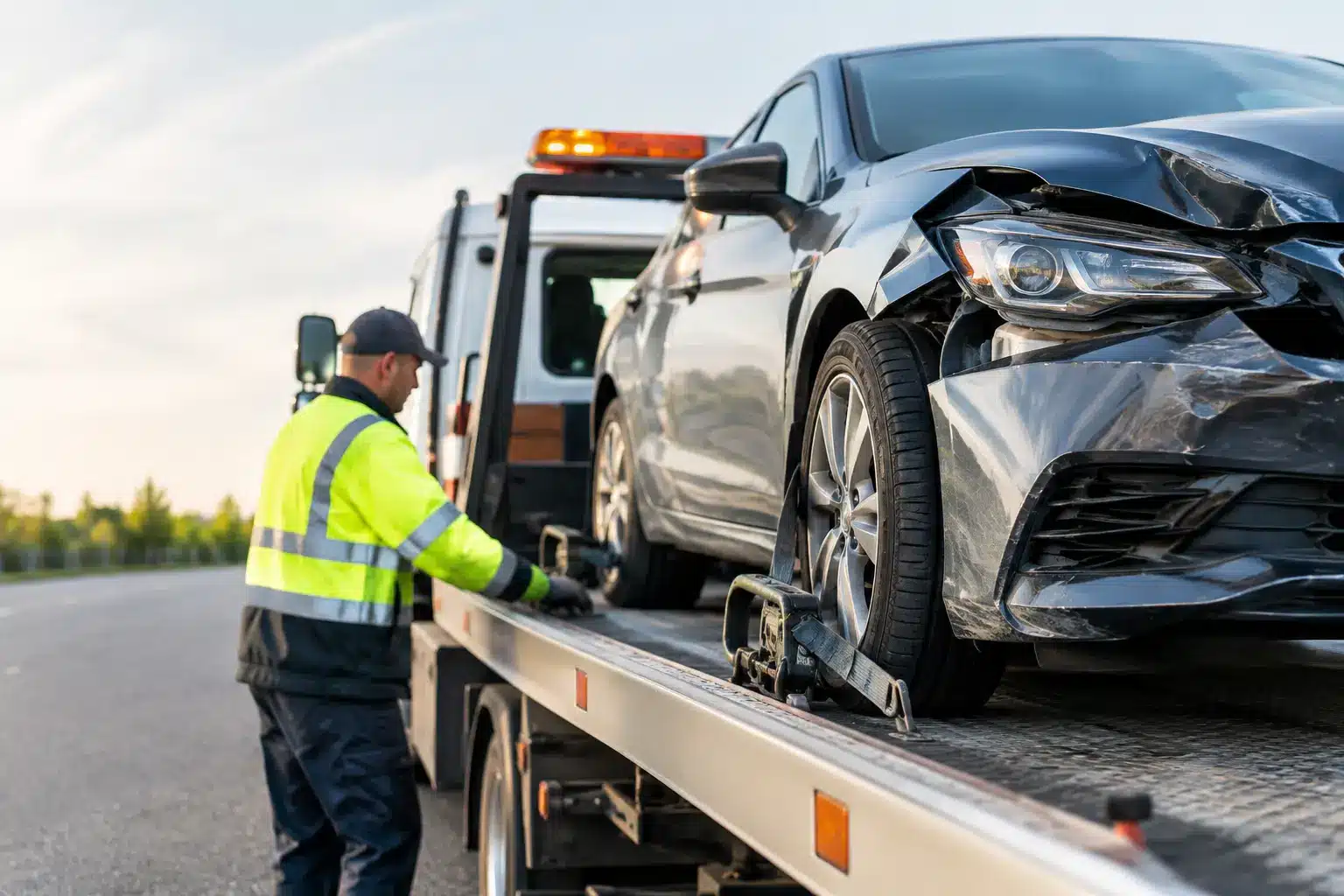
The same applies after a collision. Even when body damage appears minor, a damaged wheel, leaking fluid, broken light, loose bumper or steering problem can make the vehicle unsafe. If there is any doubt about its condition, arrange recovery rather than taking chances.
You should also call for help when a tyre failure leaves the vehicle undriveable, when you have no usable spare, or when a wheel has been damaged by a pothole or kerb. A tyre may look acceptable at first glance while the wheel or suspension has taken the real impact.
Some faults are clear emergencies. Smoke from the bonnet, a strong smell of fuel, a burning smell, severe overheating or fluid pooling beneath the vehicle all require immediate caution. Stop in a safe place if possible, switch off the engine and keep away from moving traffic. Do not open a hot radiator cap or attempt a roadside repair on a live carriageway.
If your vehicle has broken down on a motorway or a busy dual carriageway, your priority is getting yourself and passengers to safety. Follow official road safety guidance, use emergency facilities where available, and avoid standing near the vehicle. Once you are safe, request recovery and give an accurate location. A road name alone may not be enough, so look for junction numbers, marker posts, nearby exits or recognisable landmarks.
At night, in poor weather or on narrow rural roads, even a smaller fault can justify recovery. Visibility is lower, other drivers may have less time to react, and waiting at the roadside is more difficult. It is better to arrange assistance early than to turn a manageable breakdown into a dangerous situation.
Van drivers often feel pressure to complete the job, make a delivery or keep an appointment. That pressure can lead to costly decisions. A heavily loaded van with brake concerns, steering vibration, overheating or a dashboard warning should not be pushed further than necessary.
The vehicle's weight and load can make handling problems more serious. Recovery and transport are often safer than attempting to reach a garage under power. Explain that it is a van when you call, along with its approximate size, condition and whether it is loaded, so the correct recovery equipment can be arranged.
Not every call-out needs a tow. If the problem is limited and safe to resolve where you are, roadside assistance may get you moving again.
A dead battery is one of the most common reasons drivers need urgent help. Interior lights left on, cold weather, a battery nearing the end of its life or repeated short trips can all leave a car unable to start. A jumpstart can be a practical solution, particularly if the vehicle starts and runs normally afterwards. However, if it will not hold charge, cuts out again, or battery warning lights remain on, recovery may be needed instead. The underlying fault could be the battery, alternator or electrical system.
Running out of fuel, a minor starting issue or a simple mechanical concern may also be resolved at the roadside, depending on the situation. The key is being honest about the symptoms. Tell the recovery team what happened before the fault, what warning lights are showing, whether the engine starts, and whether the vehicle is in a safe location. Clear details help them prepare and reduce delays.
Once you have requested help, focus on safety and making the collection straightforward. If you can stop somewhere safe, move out of the flow of traffic. Switch on your hazard lights and use your warning triangle only where it is safe and appropriate to do so. On high-speed roads, do not put yourself in danger to place it.
Keep passengers away from traffic. Take warm clothing if conditions are cold, and make sure you have your phone charged where possible. If you are in an unsafe place, such as a live lane, blind bend or exposed roadside, tell the dispatcher immediately. The location and level of risk matter as much as the fault itself.
Have the registration number, make and model ready. It also helps to know your destination and whether the vehicle is automatic, electric, lowered, locked, or carrying anything that could affect loading. There is no need to diagnose the issue perfectly. A straightforward description is more useful than a guess.
It can be tempting to accept a temporary fix, borrow jump leads from a stranger or drive slowly to see if the problem improves. Sometimes that works. Sometimes it results in a second breakdown, more damage or a dangerous stop in a worse location.
Recovery is particularly worthwhile when the vehicle has failed more than once, when a warning light returns after resetting, or when you are travelling with children, vulnerable passengers or valuable work equipment. It is also the sensible option if you do not know a trusted local garage, need the vehicle moved after hours, or simply cannot wait beside it for long.
There is a difference between a vehicle that feels slightly unusual and one that is unsafe to drive. A trained recovery operator can help assess the practical next step based on the symptoms, location and condition of your car or van. The aim is not to make the situation more complicated. It is to get you out of it safely.
When you call, explain where you are, what vehicle you have and what has gone wrong. Mention whether you are blocking a road, carrying passengers, near a motorway, or in a location that is difficult to access. If the car is at home or in a car park, provide the postcode and any access instructions.
Ask whether roadside assistance is suitable or whether towing is likely to be required. The answer depends on the fault. A flat battery may need a jumpstart; a non-running vehicle, collision damage or serious warning light may need transport. Giving accurate information from the start helps send the right vehicle and avoids wasted time.
A breakdown rarely happens at a convenient moment. If your vehicle cannot be driven safely, do not turn an urgent problem into a larger one. Request recovery, stay safe where you are, and let an experienced team take care of getting your vehicle where it needs to be.

