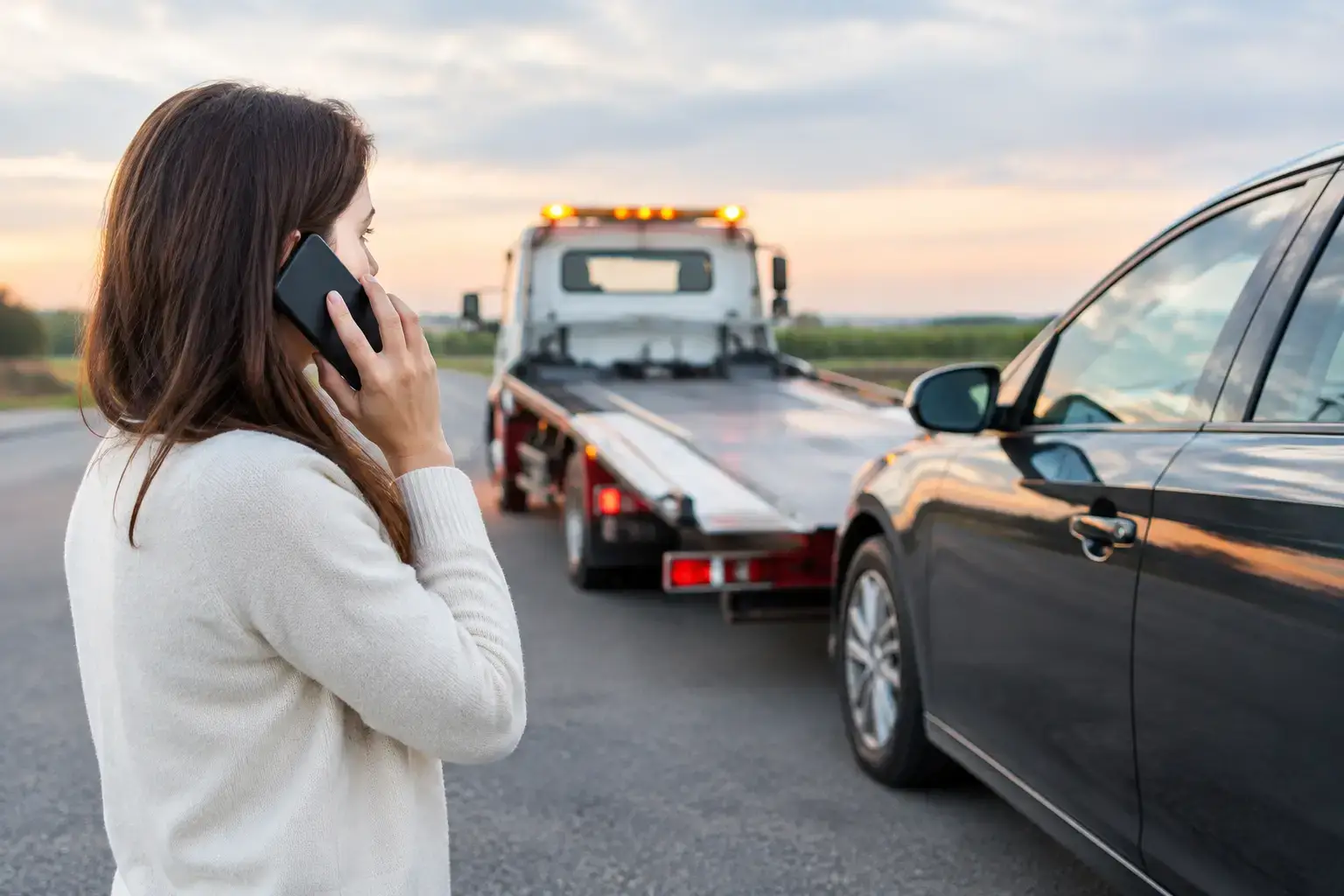
A breakdown rarely gives you a convenient warning. One moment you are on your way to work, collecting the children, or making a delivery, and the next your vehicle will not start, has lost power, or is unsafe to drive. When you need to request emergency towing, the priority is simple: get yourself out of danger and get the right recovery team moving towards you.
For drivers in Camberley and the surrounding GU postcode areas, fast action can make a difficult roadside situation far more manageable. A professional towing service can recover a car or van, provide roadside support where appropriate, and transport the vehicle to a garage, home address, or another agreed destination.
Emergency towing is the right choice when driving on could put you, your passengers, or other road users at risk. This includes a collision, a mechanical failure that leaves the vehicle immobile, overheating, severe tyre damage, steering problems, or warning lights that indicate a serious fault. If the vehicle is blocking a road, stuck in an unsafe place, or cannot be restarted, recovery should be arranged without delay.
A dead battery does not always mean a tow is needed. A jumpstart may get you moving again if the battery is flat and there are no other faults. However, if the vehicle will not hold a charge, repeatedly cuts out, or has electrical warning lights showing, it may be safer to arrange transport rather than risk another breakdown further down the road.
The same principle applies to vans. A van off the road can mean missed work, delayed deliveries, and lost income. If it cannot be safely repaired at the roadside, van towing gives you a practical route to get it recovered and assessed properly.
Do not try to solve a serious fault by continuing slowly to your destination. A vehicle that is overheating, leaking fluid, making heavy mechanical noises, or handling unpredictably can quickly become a more expensive repair - or cause an accident.
Your location and personal safety matter more than the vehicle. If possible, pull over in a safe area away from moving traffic. Put on your hazard warning lights, apply the handbrake, and switch off the engine if there is smoke, steam, a strong burning smell, or signs of overheating.
On a motorway, get behind a safety barrier if it is safe to do so. Do not remain in the vehicle if it is stopped in a live lane or in another exposed position. If you cannot leave safely, call the emergency services. Recovery teams can assist with the vehicle, but immediate danger on a live carriageway needs urgent official support.
At night or in poor weather, make your vehicle as visible as possible without putting yourself at risk. Keep clear of passing traffic and avoid standing between your vehicle and the road. If you have passengers, especially children, help them move to a safer position where possible.
If you are on private land, in a car park, outside your home, or at a workplace, the immediate risk may be lower. Even so, check whether the vehicle is leaking fuel or blocking an entrance before you wait for assistance.
The quickest recovery arrangements start with clear information. You do not need to diagnose the fault. Tell the recovery operator what you can see, hear, or smell, explain whether the vehicle can move, and be honest if it is in a difficult position. This helps send the correct vehicle and equipment from the outset.
Have these details ready when you call:
A precise location is often the most useful detail you can give. Saying you are near Camberley is helpful, but a road name, retail park, roundabout, or postcode allows dispatch to identify you far more quickly. If you are unsure where you are, use your phone map to find the nearest road or share a clear landmark.
It is also worth explaining if your vehicle is lowered, locked with the keys unavailable, has wheel damage, or is parked in a tight space. These factors do not prevent recovery, but they may affect the safest loading method and the equipment needed.
Emergency vehicle assistance is not limited to towing a broken-down car away. The right response depends on the fault, the road conditions, and whether a safe roadside solution is possible.
For a flat battery, a jumpstart may be enough to get the engine running. For a puncture or minor issue, roadside assistance may help assess whether the vehicle can continue safely. Where the fault is more serious, a dedicated recovery vehicle can load and transport the car or van without adding unnecessary mileage or strain to the damaged vehicle.
Towing is particularly useful after an accident, when a vehicle has lost drive, has a damaged wheel, or cannot legally or safely be driven. It also helps when you need to move a non-running vehicle between a garage, home address, storage site, auction collection, or repair facility.
There is a trade-off to consider. Roadside repair can be quicker when the problem is minor and the vehicle is otherwise safe. Recovery is the better choice when there is uncertainty about the fault or any risk in driving on. A trained technician can help make that call based on the situation in front of them.
Before recovery arrives, decide where you want the vehicle taken. A local garage can be the right option if it is open and able to inspect the fault. Your home may be more practical if the breakdown happens late at night, at the weekend, or when you want time to choose a repairer.
For commercial drivers, taking a van directly to a trusted workshop may reduce downtime. For vehicles involved in a collision, you may need to speak with your insurer before arranging repairs, but moving the vehicle from an unsafe roadside location should not wait.
Make sure the destination can accept the vehicle. Check access, opening times, and whether there is space for a recovery vehicle to unload safely. If you are arranging longer-distance transport, confirm the destination in full before loading begins to avoid confusion later.
You cannot prevent every breakdown, but a few habits can make an emergency less stressful. Keep your phone charged when travelling, save a reliable recovery number, and know your vehicle registration. If you regularly drive long distances or use a van for work, it helps to keep a torch, warm layer, water, and basic high-visibility clothing in the vehicle.
Routine servicing, tyre checks, and battery testing reduce the chance of sudden trouble, but they do not remove it completely. Potholes, electrical faults, accidents, and unexpected mechanical failures can affect any driver.
K & D Transport provides 24/7 roadside assistance, jumpstarts, car and van recovery, and vehicle transport for drivers who need a clear response when plans come to a stop. If your vehicle is unsafe, immobile, or leaving you stranded, focus on getting to a safe place, provide accurate details, and arrange professional help as soon as possible.
The best next step is not to guess at a serious fault or take a chance on another mile. Get the vehicle assessed, get it recovered safely, and give yourself the reassurance of knowing the problem is being handled properly.

