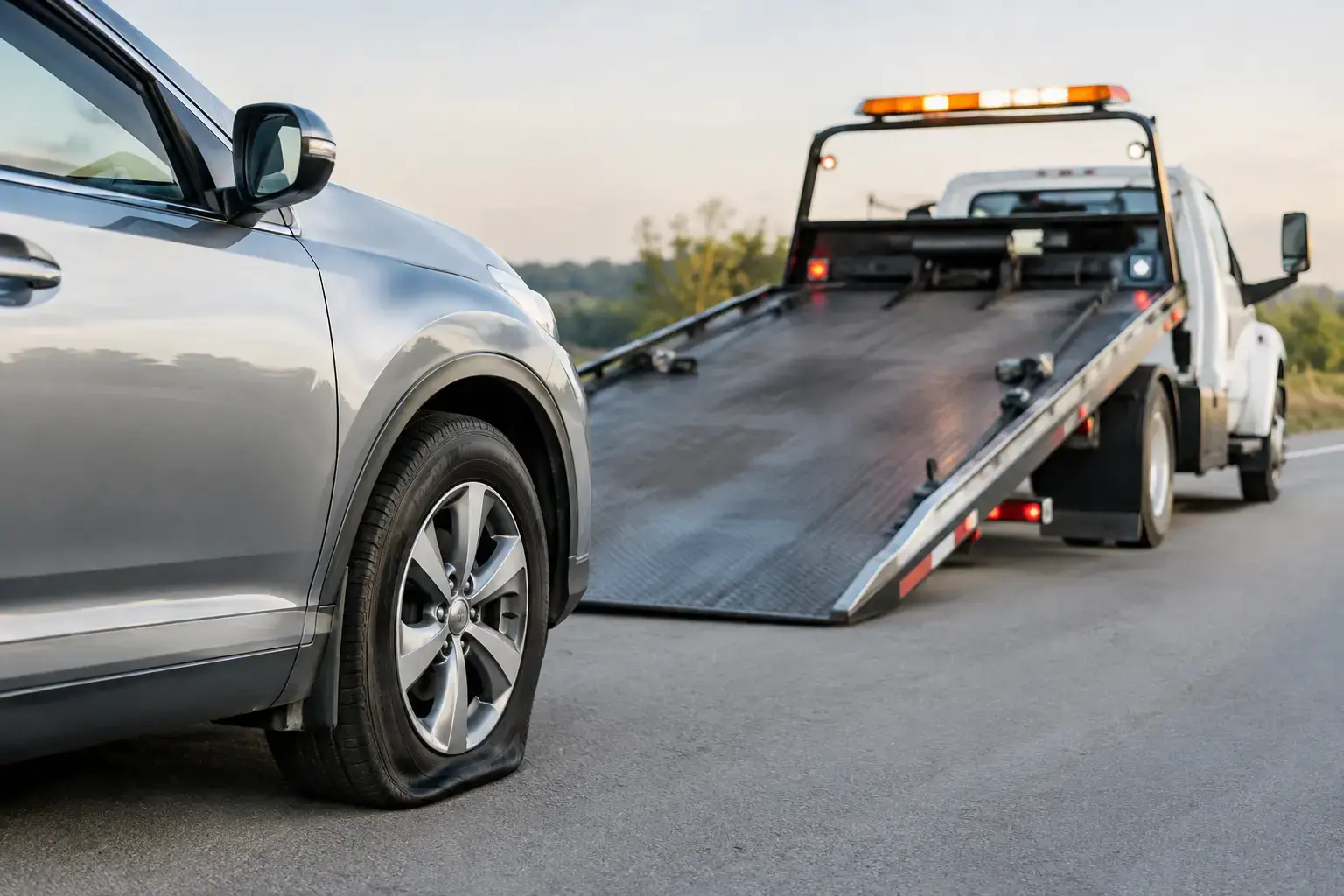
A car that will not start on the driveway is frustrating. A van that stops on a busy road, outside work hours or miles from home, is a different problem altogether. Knowing your towing options before you make the call helps you get the right support, protect your vehicle and avoid wasting time when you are already under pressure.
The right answer depends on where the vehicle is, what has gone wrong and where it needs to go. Sometimes a technician can get you moving at the roadside. Other times, recovery to a garage, home address or another destination is the sensible and safest choice. The priority is not just moving the vehicle. It is moving it properly.
Towing is not one single service. A professional recovery team will assess the vehicle, the fault and the location before deciding how to handle it. This matters because pulling a vehicle incorrectly can cause further damage, particularly if it has gearbox trouble, steering faults, locked wheels or low ground clearance.
For many cars, a standard recovery vehicle can safely load and transport the vehicle to a local garage or chosen address. This is usually the best option when the car has broken down, suffered a mechanical failure, has a puncture with no usable spare, or cannot legally or safely be driven.
Flatbed transport is often preferred for vehicles that should not have their driven wheels on the road. That can include automatic vehicles, electric or hybrid cars, damaged cars and prestige vehicles. The whole vehicle is loaded onto the recovery lorry, rather than being pulled behind it. It takes a little more planning, but it reduces the risk of damage during transport.
Wheel-lift recovery can be suitable in the right circumstances, particularly for short-distance moves and certain vehicle types. However, the method must match the vehicle. A trained operator will know whether it is appropriate and will take account of the drivetrain, condition and access around the vehicle.
If your vehicle is a van, tell the recovery provider from the start. Weight, height, length and load all affect the type of vehicle required. Van towing needs suitable equipment and a recovery fleet capable of handling it safely, especially if the van is loaded or stopped in a difficult location.
Not every breakdown needs a tow. A dead battery, for example, may be resolved with a jumpstart if the battery is simply discharged and there is no underlying electrical fault. A roadside technician may also be able to help with simple issues that can be dealt with safely where you are.
That said, getting the engine started is not always the same as solving the problem. If warning lights remain on, the battery will not hold its charge, the engine is overheating or the vehicle is making unfamiliar noises, driving on could make the fault worse. In these cases, recovery is normally the better decision.
A sensible recovery provider will not pressure you into a tow if a safe roadside solution is available. Equally, they should not encourage you to drive a vehicle that is clearly unsafe. The best outcome is the one that gets you off the road quickly while protecting the vehicle from further damage.
Arrange towing rather than attempting to continue your journey if the vehicle has lost power, overheated, developed a serious warning light, has damaged steering, brake problems or a suspected gearbox fault. Towing is also the right choice after an accident where the vehicle may have hidden damage, even if it appears to run.
Do not rely on a friend with a tow rope for a serious breakdown. Rope towing can be risky, is subject to legal requirements and is not suitable for many modern vehicles. It puts both drivers under pressure, especially in traffic, poor weather or darkness. A professional recovery vehicle gives the operator the control and equipment needed to move the vehicle securely.
If you are on a motorway or a fast road, focus first on your immediate safety. Move to a safe place if you can do so without risk, switch on your hazard lights and follow official motorway safety guidance. Do not try to diagnose the fault beside live traffic. Tell the recovery company exactly where you are, including the road number, direction of travel, nearby junction, landmark or emergency location marker.
Recovery does not always have to mean the nearest garage. You may want the vehicle taken to your regular mechanic, a dealership, your home, a bodyshop or another address. The right destination depends on the fault, the time of day and whether the receiving location can actually accept the vehicle.
For an evening or overnight breakdown, taking the vehicle home can be practical if local garages are closed. You can then arrange repairs without leaving it in an unfamiliar car park. If the vehicle is under warranty or requires specialist work, transport to the correct garage may save time later.
Be clear about the destination when you request assistance. Give the full postcode, let the operator know about access restrictions, and mention if the vehicle needs to be left somewhere specific. Narrow driveways, low entrances and gated sites can affect how a recovery vehicle approaches the job.
Fast dispatch starts with accurate information. You do not need to understand the mechanics, but a few clear details help the recovery team send the appropriate vehicle and equipment first time.
Explain the make and model, registration, exact location and whether the vehicle is a car or van. Describe what happened in plain terms: it will not start, it has overheated, a warning light came on, a wheel is damaged, or it was involved in a collision. Mention whether it is automatic, electric, hybrid, lowered, heavily loaded or carrying passengers.
Also say whether the wheels turn, whether the steering is locked and whether the vehicle is in a safe accessible place. A vehicle parked in a multistorey car park, on a narrow lane or in a busy lay-by may require a different approach from one sitting on a driveway.
Finally, confirm where you want it taken. If you are unsure, say so. A professional operator can talk through the practical options based on your location and the condition of the vehicle.
Breakdowns do not wait for garage opening hours. Whether you are stranded in Camberley, elsewhere in the GU postcode area or need longer-distance vehicle transport, the value of 24/7 recovery is simple: you have a route to practical help when you need it most.
K & D Transport provides roadside assistance, jumpstarts, car recovery, van towing and vehicle transport for drivers who need a prompt, straightforward response. The service needed may be a quick battery restart or full recovery to a chosen destination. What matters is having a trained team and suitable towing fleet ready to respond.
Before help arrives, collect your personal belongings, keep clear of moving traffic and make sure the recovery operator can identify you and the vehicle. If you are with children, older passengers or anyone vulnerable, mention this when booking assistance so the situation can be handled with the right level of care.
A breakdown can disrupt your whole day, but it does not need to become a bigger problem. Give clear information, choose the safest recovery method for the vehicle, and let a properly equipped towing team get you and your vehicle where you need to be.

