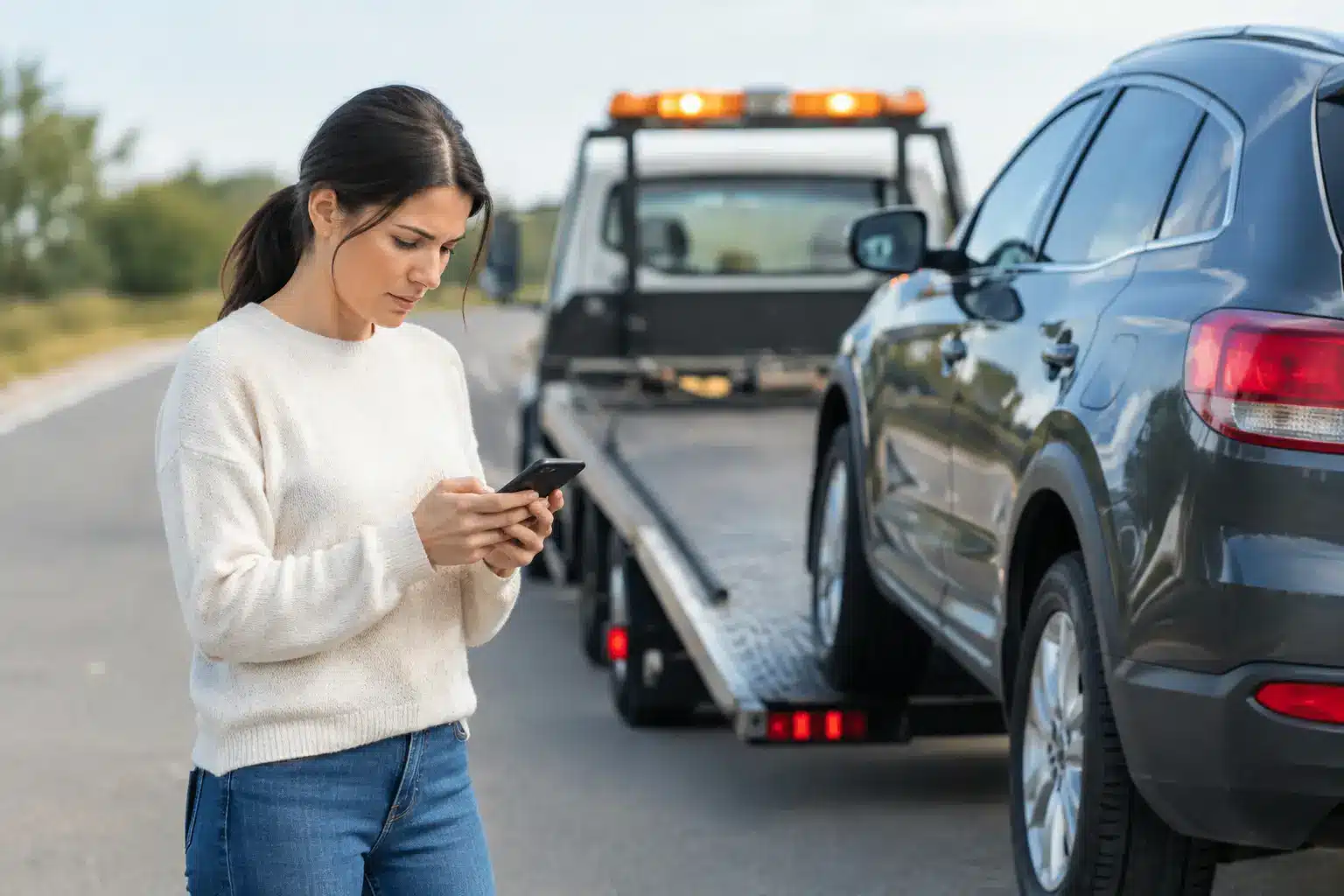
A breakdown is stressful enough. Once your car or van is secured on the recovery vehicle, the immediate danger has passed, but you may still be wondering: what happens after towing? Knowing what to expect makes the next few hours far easier to manage, whether you are heading home, arranging a repair or dealing with an insurer.
At K & D Transport, the priority is to get you and your vehicle out of a difficult situation safely. The process after recovery depends on where the vehicle is going, why it was towed and whether it can be repaired straight away.
Before the vehicle is loaded, the recovery driver will normally confirm the destination with you. For many drivers, that means a local garage, a home address, a workplace or another safe location. If you already have a trusted garage in Camberley or the surrounding GU areas, having the full address and contact details ready can prevent delays.
A garage is often the best destination when the fault is clear and the business can accept the vehicle. A flat battery may only need a jumpstart, but problems with the clutch, engine, cooling system, tyres or electrics may need proper inspection. If the garage is closed, it may be more practical to take the vehicle home and arrange repairs when it reopens.
For vans and business vehicles, the decision can be more time-sensitive. A vehicle carrying tools, stock or equipment may need to go to a secure depot rather than be left outside a closed workshop. The right destination is the one that keeps the vehicle safe and helps you get back on the road with the least disruption.
On arrival, the recovery operator will position the vehicle where the garage has asked them to. This matters more than it may seem. A workshop may have a designated drop-off bay, limited space or a secure area for vehicles arriving outside normal opening hours.
If the garage is open, you can explain the symptoms directly. Tell them what happened before the breakdown: warning lights, unusual sounds, loss of power, overheating, difficulty starting or anything else you noticed. Small details can help a technician diagnose the problem more quickly.
When the garage is closed, leave clear contact information if possible and make a note of when you need to call them. Do not assume a vehicle has been booked in simply because it has been delivered. Repair availability, parts and the severity of the fault will all affect how soon work can begin.
Ask the garage for an estimate before authorising major repairs. Some faults are straightforward, while others can reveal further issues once work starts. A good garage will explain the likely work, costs and timescale before proceeding.
Before leaving the vehicle, check that you have removed your keys, wallet, phone, work equipment and any valuables. If the garage needs the keys, confirm exactly where they have been left and who will have access to them.
Take a quick look around the vehicle where conditions allow. Recovery teams handle vehicles carefully, but photographs of the exterior can provide reassurance and create a clear record of its condition at handover. Keep any recovery receipt, job reference and garage paperwork together, particularly if you expect to make an insurance or warranty claim.
Having your car or van delivered home can give you time to think without the pressure of a roadside emergency. It is often the sensible choice if the garage is shut, you need to compare repair options or the vehicle can be parked safely off the road.
Choose a position that leaves enough room for the recovery vehicle to unload safely. A steep drive, narrow entrance, low branches, parked cars or soft ground can affect where the vehicle can be placed. If access is difficult, tell the recovery company before they arrive so a safe plan can be made.
Once it is home, avoid repeatedly trying to start or drive a vehicle with an unknown fault. If it overheated, lost oil pressure, produced smoke or made a serious mechanical noise, further use could make the damage worse. Arrange an inspection and explain the reason it was recovered.
If the issue appears minor, such as a dead battery, you may be able to arrange a battery test or replacement. Even then, it is worth finding out why the battery went flat. Age, cold weather, a charging fault or an electrical drain can all be responsible.
After a collision, safety and documentation matter just as much as repairs. The vehicle may need to go to a garage approved by your insurer, a secure storage location or an address you have chosen. The best option depends on the condition of the vehicle and the instructions provided by your insurer.
Take photographs of the damage, note the recovery details and retain all paperwork. If the police attended, keep any reference number they provided. Contact your insurer as soon as you can and give an accurate account of the incident. They may arrange an inspection before repairs are approved.
Do not remove or dispose of damaged parts unless your insurer or repairer says it is acceptable. They may need to assess the vehicle before deciding whether it is repairable. If the vehicle is declared beyond economical repair, the insurer will explain the next stage and any settlement process.
The cost after towing depends on the recovery distance, vehicle type, time of day, the condition of the vehicle and where it needs to be taken. Extra work may be needed where a vehicle is inaccessible, locked, damaged or positioned in a difficult place. Clear information at the time of booking helps the recovery team send the right vehicle and give the most accurate guidance possible.
If you have breakdown cover, motor insurance or a roadside assistance benefit through a bank account, check what it includes before assuming every cost is covered. Some policies limit recovery distance, require you to use an approved provider or only cover certain causes of breakdown. Others may cover the recovery but not repairs, storage, taxis or replacement transport.
Keep your receipt even if you are paying yourself. You may be able to claim eligible costs later, depending on your policy and the circumstances. It is always better to ask the insurer or cover provider directly than rely on assumptions.
Recovery is not only about the vehicle. If you are travelling with children, pets, passengers or work equipment, make a plan for everyone before the vehicle is moved. Space in a recovery vehicle can vary, and arrangements may depend on the type of recovery required and the number of people involved.
If you need to leave the vehicle at a garage or secure location, make sure you have a safe way to get home or continue your journey. Collect medication, identification, house keys and anything you will need overnight before the handover. These small checks are easy to miss when you have been waiting at the roadside.
Use the time after towing to prepare for the garage conversation. Write down the vehicle registration, mileage, fault symptoms and the events leading up to the breakdown. If a warning light appeared, describe its colour and whether it stayed on or flashed. This gives the repairer useful information without guesswork.
You should also consider whether you need alternative transport. For a commuter, that may mean arranging a lift or public transport. For a van driver, it may mean rescheduling jobs, moving urgent equipment or arranging another vehicle. The repair timescale may be short, but it depends on diagnosis and parts availability.
Towing is the end of the roadside emergency, not always the end of the problem. The right recovery destination, a clear handover and prompt contact with a garage or insurer can save time, cost and unnecessary worry. K & D Transport provides 24/7 roadside assistance, breakdown recovery and vehicle transport for cars and vans when you need a safe, practical next step. Once your vehicle is secure, focus on getting the right repair plan in place and getting your day moving again.

